Option A
Coastal heritage weekend
Use a historic coastal setting when ocean light and old architecture can connect the ceremony, portraits and welcome dinner.
Wedding weekend · 6 decisions · 18 ideas
Compare destinations, ceremonies, climate-aware style and guest hospitality across a wedding weekend that remains grounded in South Asian family life.
A considered starting point
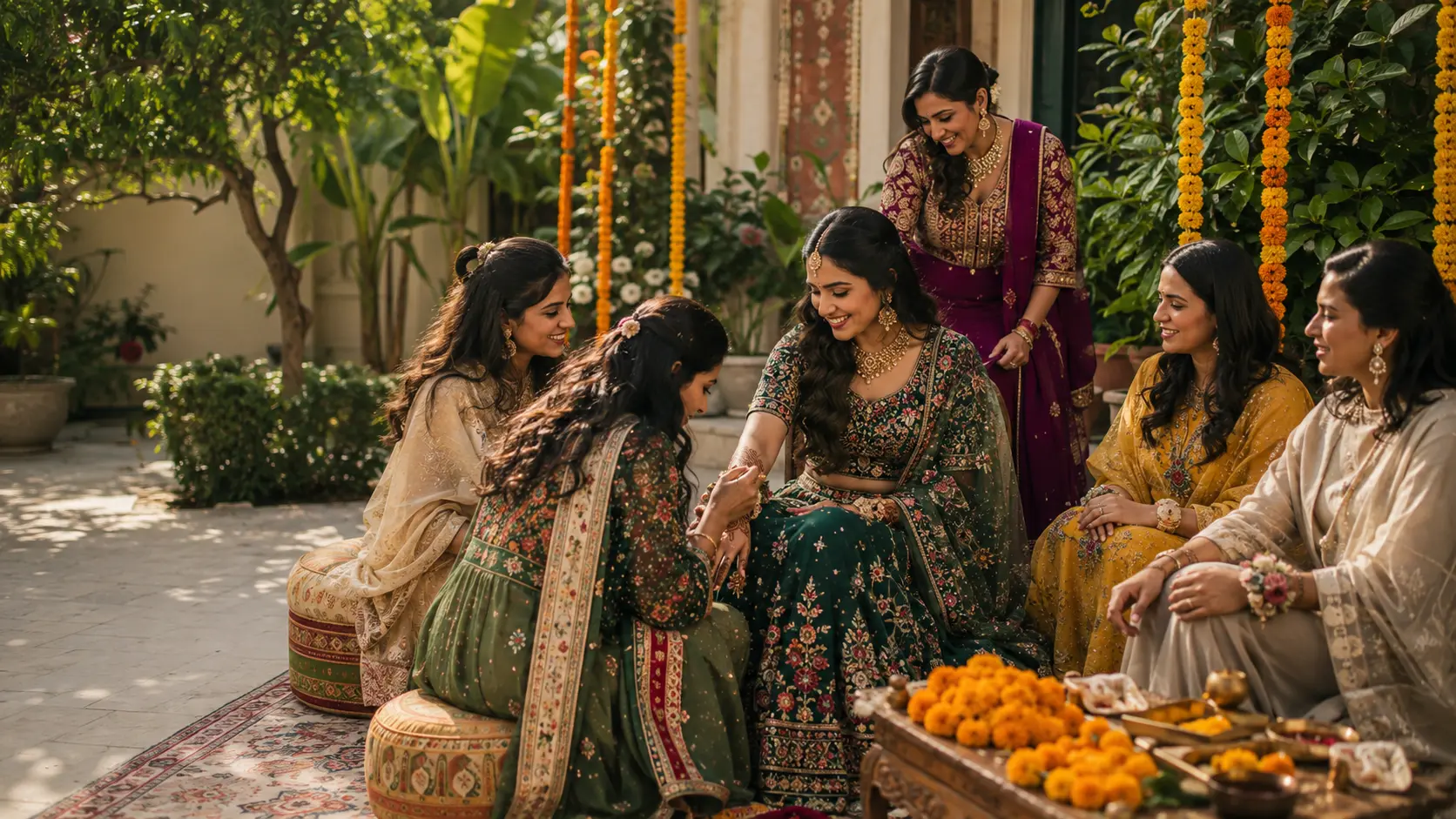
A South Asian destination wedding brings several ceremonies and families into one place, often over two or more days. Couples may choose it for intimacy, a meaningful location or the chance to give traveling guests a shared experience, but it also asks more of hospitality, accessibility and cultural planning. Hosting and ceremony requirements vary widely by family, religion and destination, and local rules may affect officiants, food, music, clothing and timing. This guide compares coastal, heritage, garden and desert settings; climate-aware ceremony design and fashion; welcome events; guest care; dinner and late-night atmosphere. The goal is not to make every event look like a resort advertisement, but to let place and tradition support one another.
You can change an idea’s event after saving it.
Planning decision
Compare locations that create genuinely different weekends, not interchangeable backdrops.
Option A
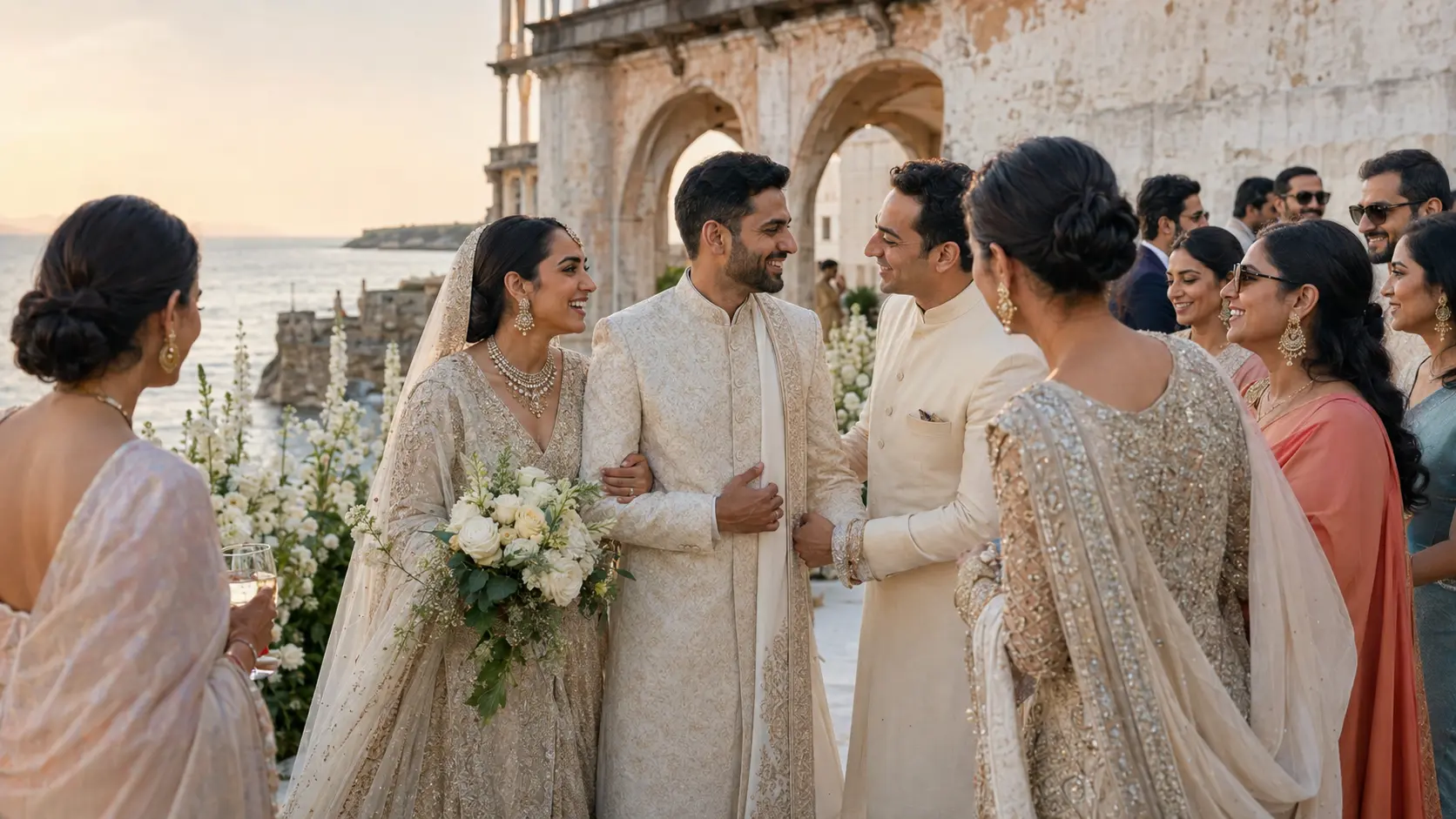
Use a historic coastal setting when ocean light and old architecture can connect the ceremony, portraits and welcome dinner.
Option B
Choose a courtyard with shaded arcades when several events need distinct atmospheres without moving guests between distant venues.
Option C
Plan a sunset-to-night program with sheltered dining, warm textiles and a clear temperature strategy rather than treating the landscape as décor.
Planning decision
Structures, seating and timing should respond to wind, heat and the actual religious ceremony.
Option A
Use a low, wind-conscious floral structure and weighted aisle details so the horizon remains visible and the ceremony remains practical.
Option B
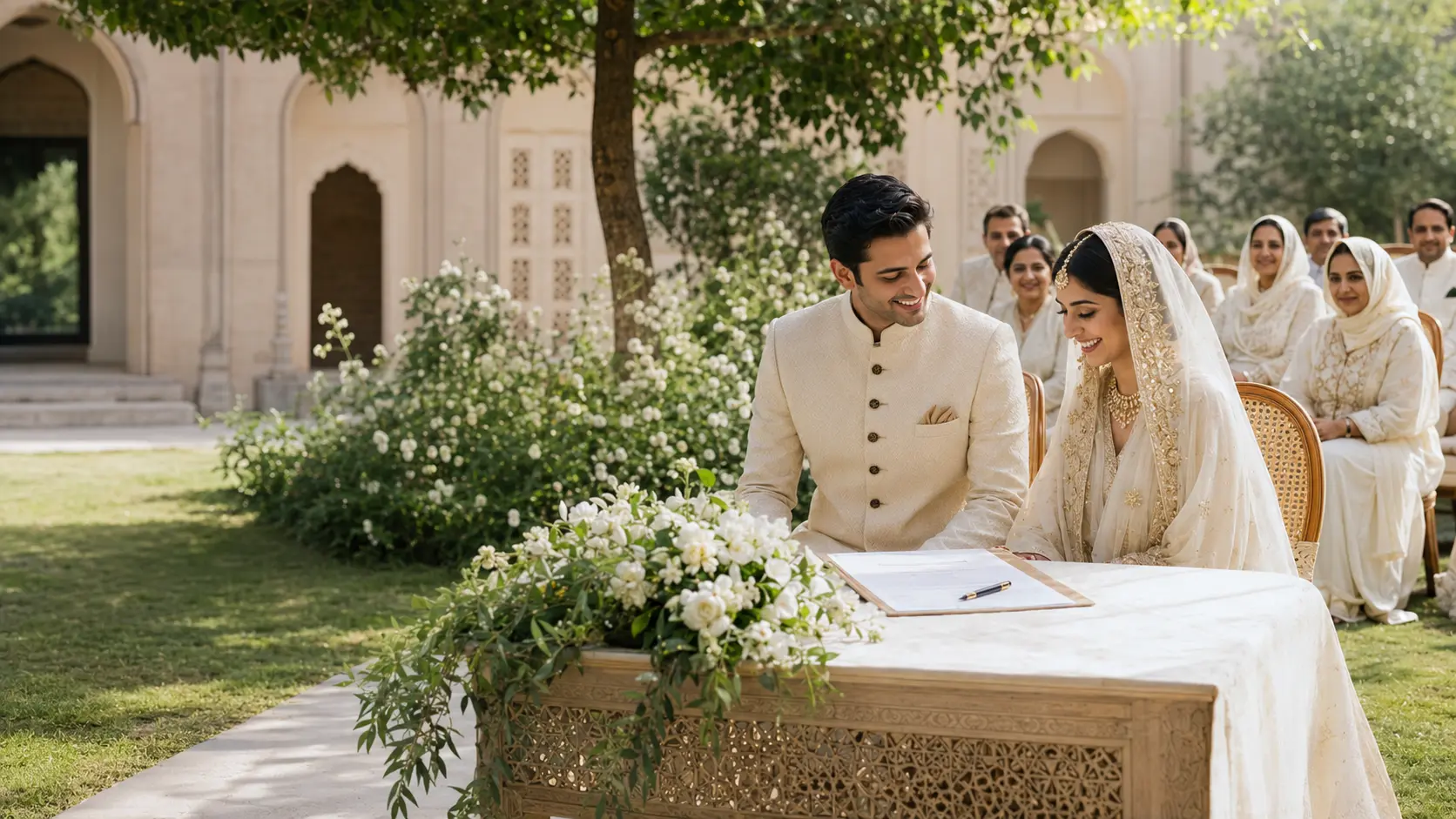
Let mature trees and low site-responsive flowers carry the setting when a large imported structure would feel disconnected from the place.
Option C
Build shade into the seating and focal structure when heat and humidity matter more than an uninterrupted open-sky view.
Planning decision
Compare fabrics and silhouettes that respect ceremony, movement and the destination’s weather.
Option A
Use breathable ivory layers and controlled embroidery when sea light and stone architecture should remain part of the portrait.
Option B
Choose lighter organza layers and secure draping for a warm destination when the bride wants movement without heavy volume.
Option C
Select a breathable achkan or sherwani with minimal layered weight, then test the fabric in direct sun before the wedding.
Planning decision
Arrival should make travel-weary guests feel oriented and cared for immediately.
Option A
Serve local zero-proof drinks and familiar sweets together so guests receive both a sense of place and an easy cultural welcome.
Option B
Create a cool, seated check-in moment with water, itinerary support and luggage-friendly routes instead of a decorative welcome table.
Option C
Use staffed regional food stations and shared family seating to help traveling guests settle in without turning the first night into another formal reception.
Planning decision
Treat transport, information and physical comfort as visible parts of the design.
Option A
Place itinerary help, water and seated support at the main arrival point so guests can orient themselves before moving through the resort.
Option B
Use one accessible drop-off with luggage help and a visible greeter rather than leaving families to navigate separate venue entrances.
Option C
Provide fans, parasols, hydration and shaded seating within the ceremony route so comfort feels integrated rather than added at the last minute.
Planning decision
Use dinner and light to make the destination feel generous after the sun goes down.
Option A
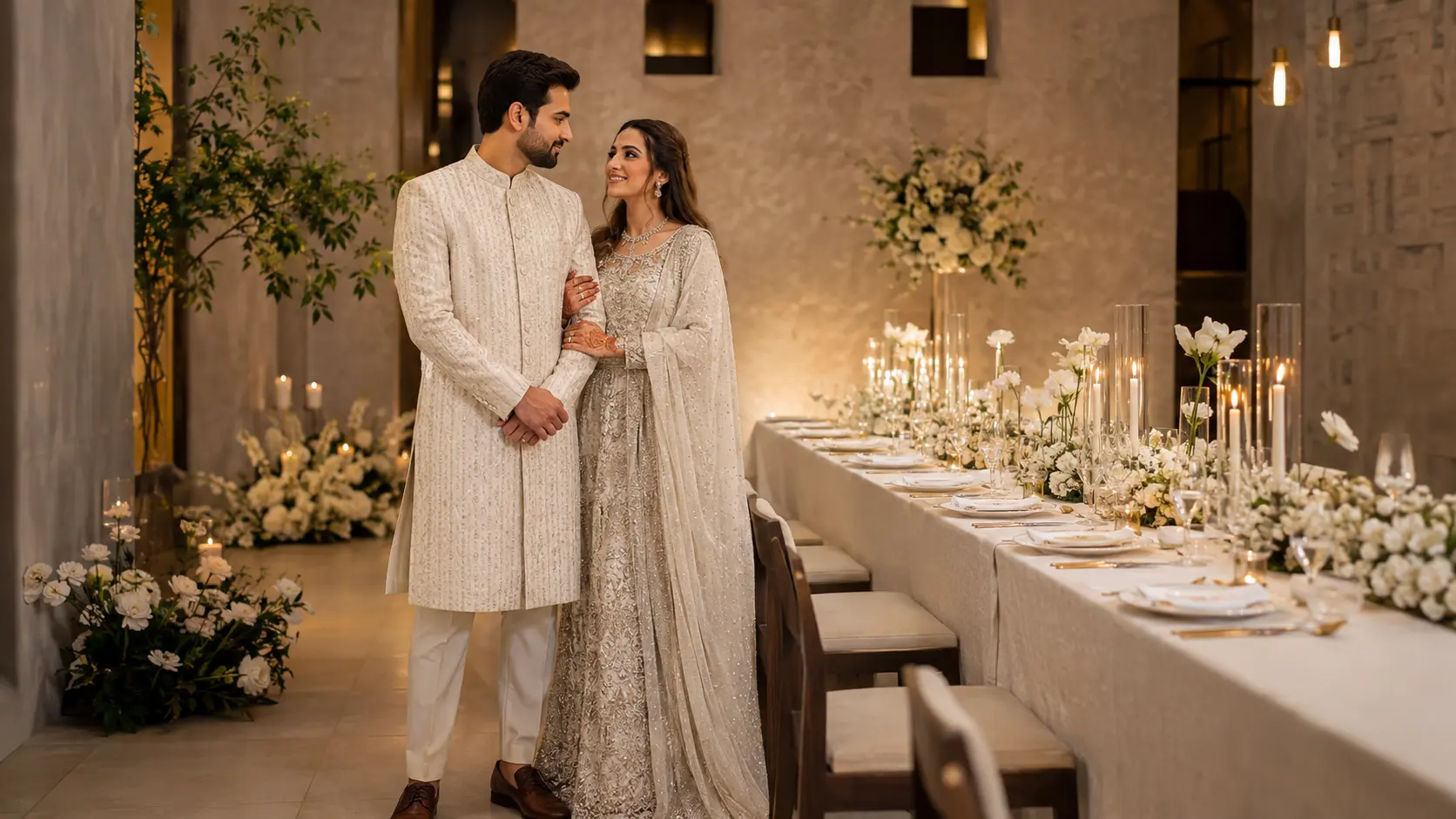
Seat families together at long tables with regionally grounded food so the first evening builds real connection rather than a formal program.
Option B
Layer low lanterns, local textiles and family-style service when historic architecture should remain the evening’s strongest visual element.
Option C
Use warm practical light and a compact late-night floor so music feels celebratory without overwhelming the landscape or nearby guests.
Continue exploring